English

Author: Site Editor Publish Time: 2026-07-27 Origin: Site


The spring clip in an active self-ligating bracket does not continuously apply force to the archwire. It becomes active only when the archwire deflects the clip, causing the clip to exert an elastic force toward the bracket slot.
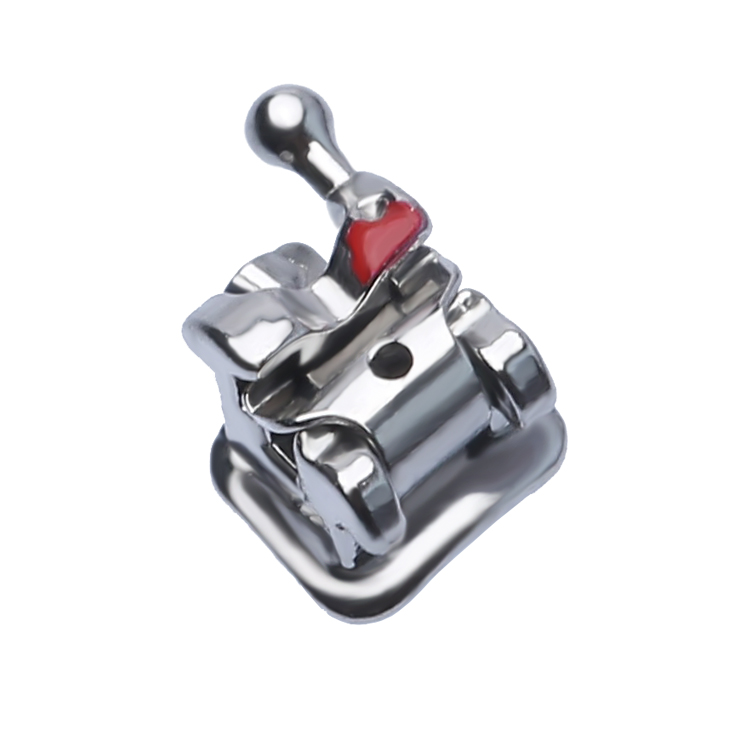
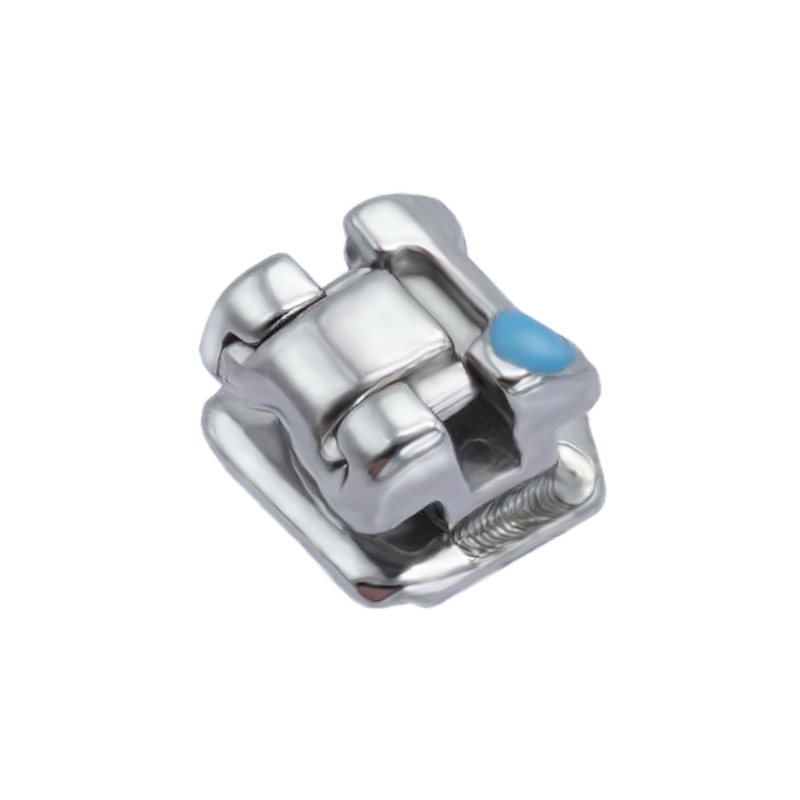
An active self-ligating bracket primarily consists of a bracket slot, a spring clip, a bracket body, and a bonding base. The slot accommodates the orthodontic archwire, while the spring clip opens and closes the slot. The bracket body and bonding base transfer the forces and moments generated by the bracket–archwire system to the tooth.
When Does the Spring Clip Become Active?
After the archwire is placed in the slot and the clip is closed, the relationship between the spring clip and the archwire changes according to their degree of contact. For clarity, this continuous process can be summarized in three states. These descriptions do not represent three fixed clinical stages.
Spring clip activation does not depend on archwire size alone. A small round archwire usually leaves greater clearance within the bracket slot. However, if a tooth is markedly rotated, tipped, or vertically displaced, the archwire may still move locally toward the clip and cause it to deflect.
Therefore, even when the same archwire is used, the clips on different teeth may be in different states. The actual degree of clip deflection is influenced by archwire size and cross-section, tooth position, archwire–slot play, clip geometry and stiffness, and manufacturing tolerances.
Clip State | Relationship Between The Archwire And Clip | Primary Function Of The Clip |
Inactive | Clearance remains between the archwire and clip | Closes the slot and retains the archwire |
Initial contact | The archwire begins to contact the clip | Begins to assist archwire seating |
Activated | The archwire deflects and elasticaaly deforms the clip | Exerts an elastic force that directs the archwire into the slot |
Small, flexible round archwires are typically used during initial orthodontic alignment. At relatively well-aligned teeth, clearance may remain between the archwire and the spring clip. In this situation, the clip primarily closes the slot and usually does not exert a significant elastic force on the archwire.
At teeth with more pronounced rotation or displacement, the archwire may shift relative to the bracket slot and locally deflect the clip. Once elastically deformed, the spring clip can help seat the archwire more fully within the slot and increase bracket–archwire contact at that tooth.
The same round archwire may therefore activate the spring clip at certain malaligned teeth while remaining out of effective contact with the clip at other teeth.
The spring clip can assist archwire seating, but it does not independently align or derotate a tooth. Actual tooth movement depends on the forces and moments generated by archwire deflection and is also influenced by bracket placement, interbracket distance, available space, and the overall orthodontic biomechanics.

During the middle and later stages of orthodontic treatment, larger square or rectangular archwires occupy more of the bracket slot. They are therefore more likely to contact and elastically deflect the active spring clip.
At this stage, the clip can help the archwire remain more fully seated within the slot and maintain closer contact between the archwire and bracket. As the archwire dimensions approach those of the slot, archwire–slot play generally decreases. The bracket–archwire system can then be used for root positioning, third-order or torque control, and detailed finishing adjustments.
The spring clip assists archwire seating but does not generate orthodontic torque independently. Actual torque expression depends on the bracket prescription, archwire dimensions, archwire–slot play, the degree of archwire torsion, and manufacturing accuracy.

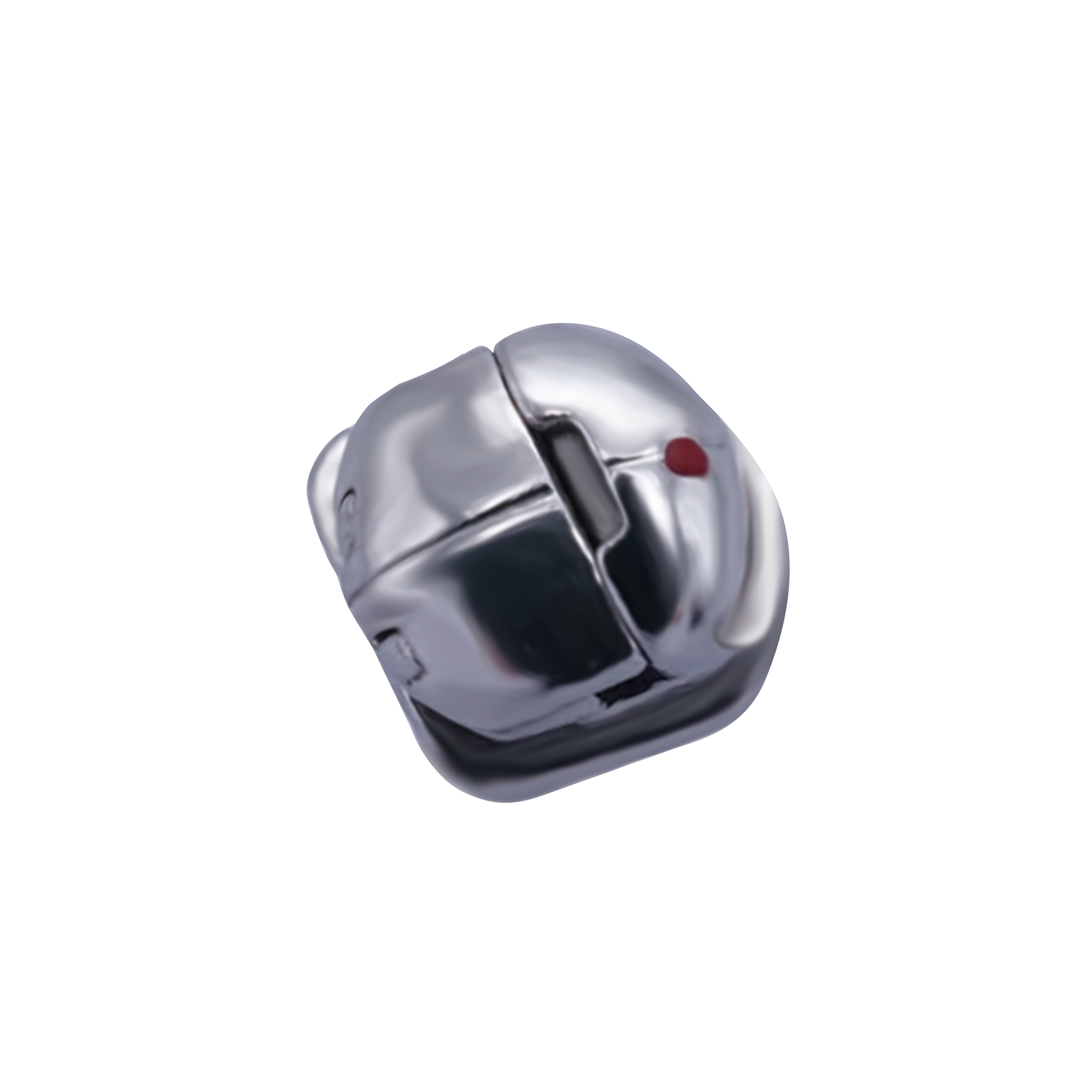
The Sino Ortho Great Wall III Series features an active spring clip design.
The brackets are manufactured from medical-grade stainless steel using laser-welded construction. Each bonding base carries a corresponding tooth identification number for convenient product identification and clinical handling.
The Great Wall III Series is available for orthodontic clinics, distributors, and bulk purchasers seeking a reliable active self-ligating metal bracket system. OEM and ODM cooperation is also available for qualified volume orders.
Does an Active Spring Clip Always Provide Greater Torque Expression?
Not necessarily. The spring clip can assist the seating of square or rectangular archwires, but actual torque expression also depends on the bracket prescription, archwire dimensions, archwire–slot play, archwire edge geometry, manufacturing accuracy, and the specific orthodontic biomechanics.
Can Contact Between the Spring Clip and Archwire Increase Resistance to Sliding?
Can Active Self-Ligating Brackets Shorten Orthodontic Treatment Time?
Related reading: Active vs. Passive Self-Ligating Brackets: Key Differences and Selection Guide